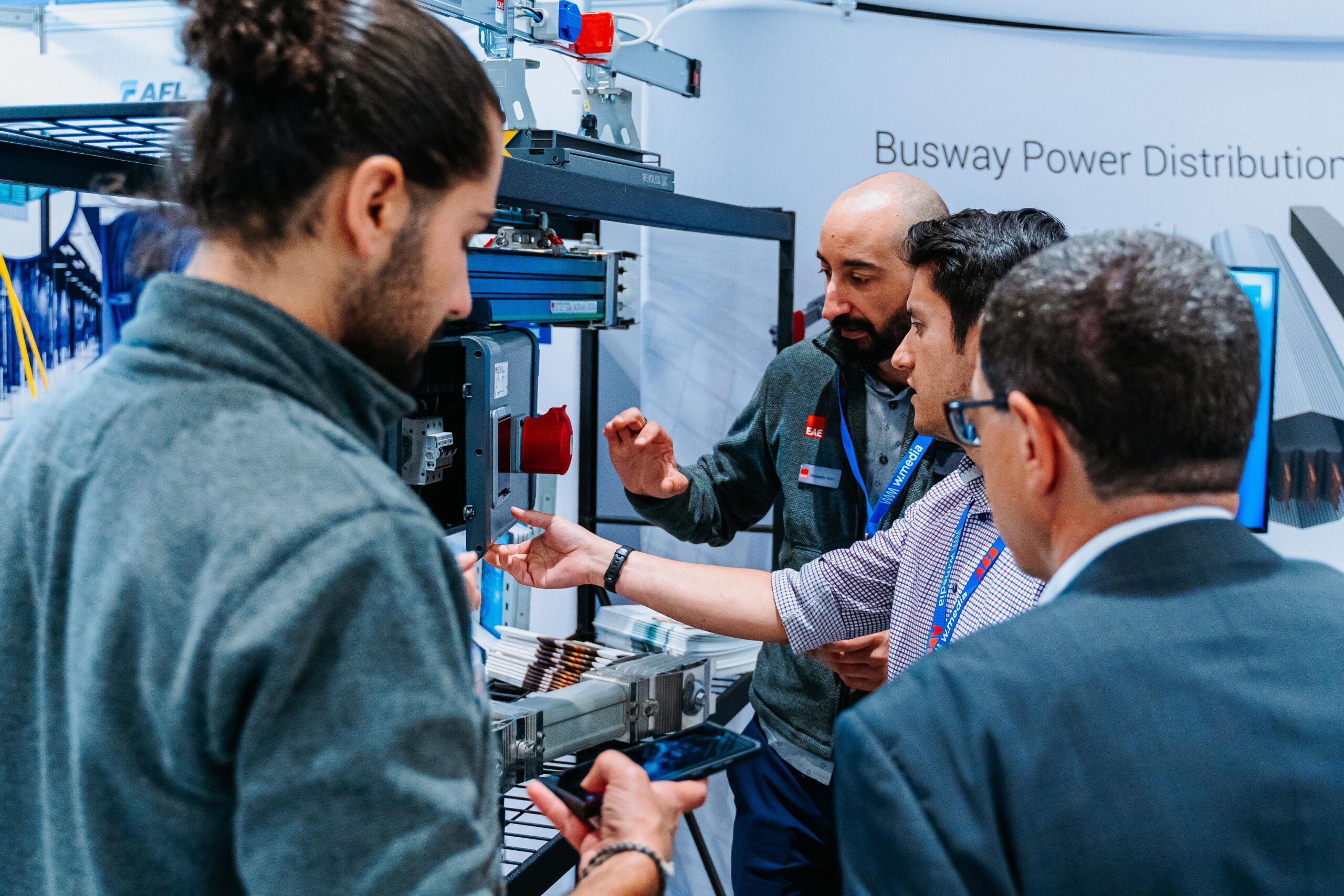
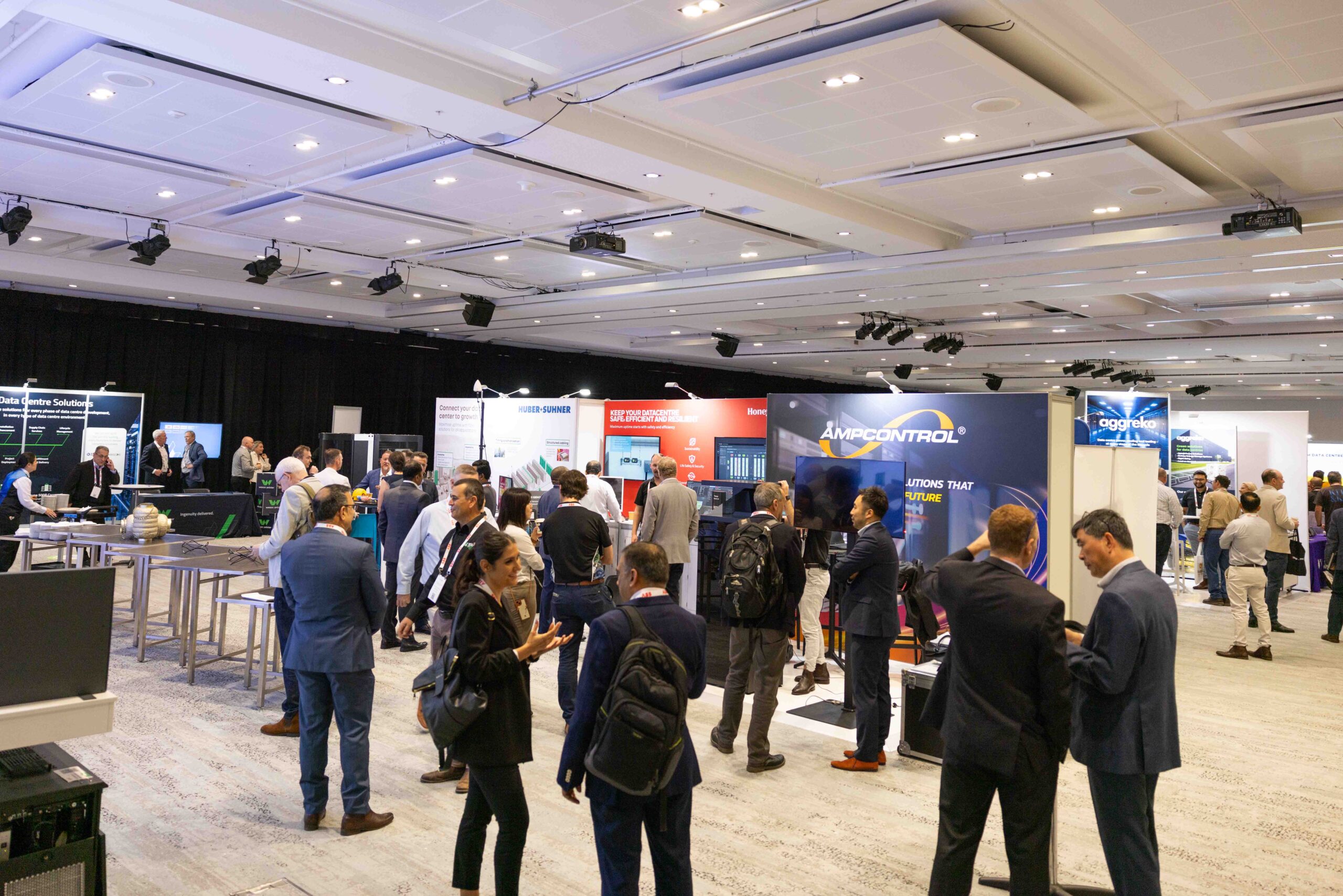
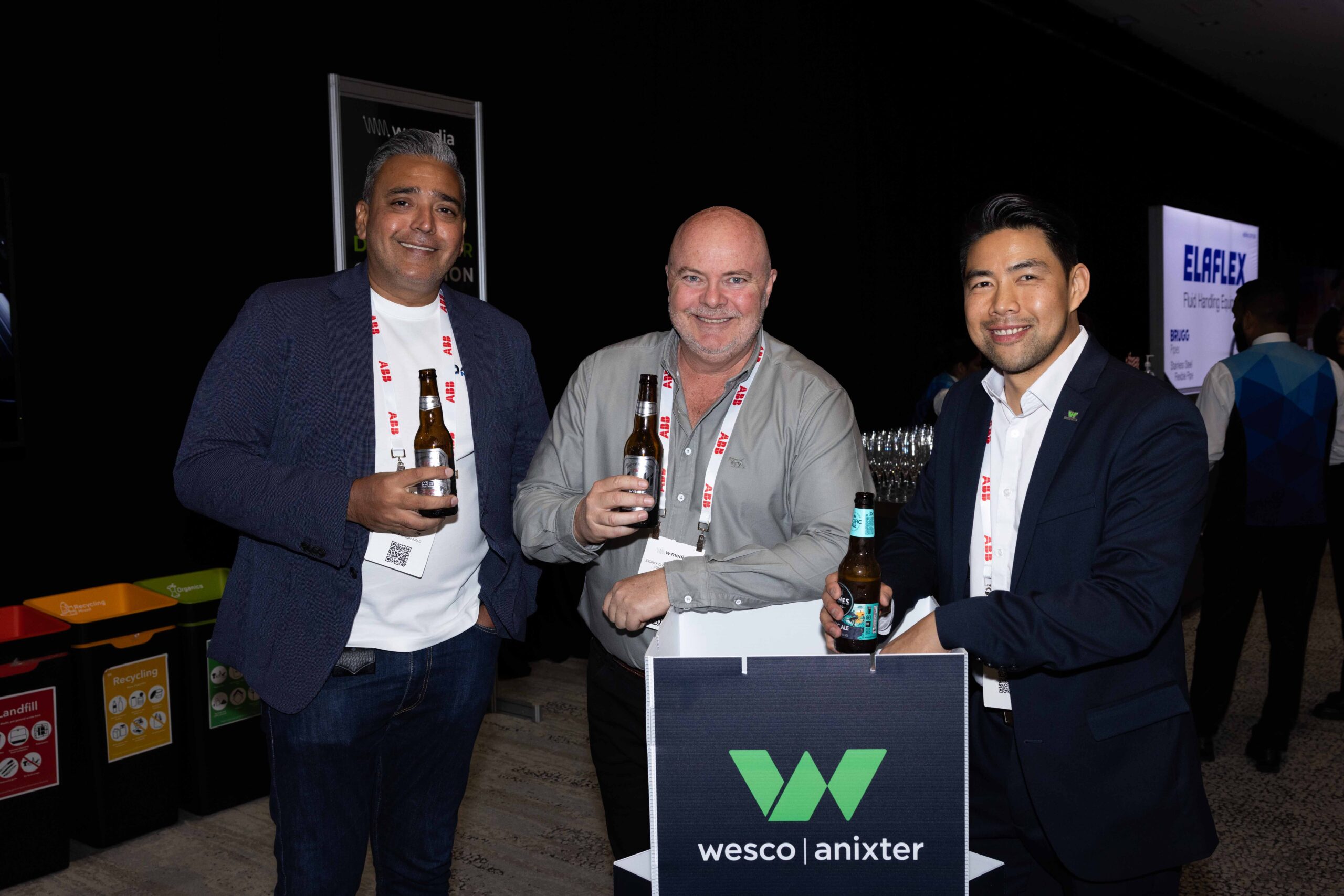
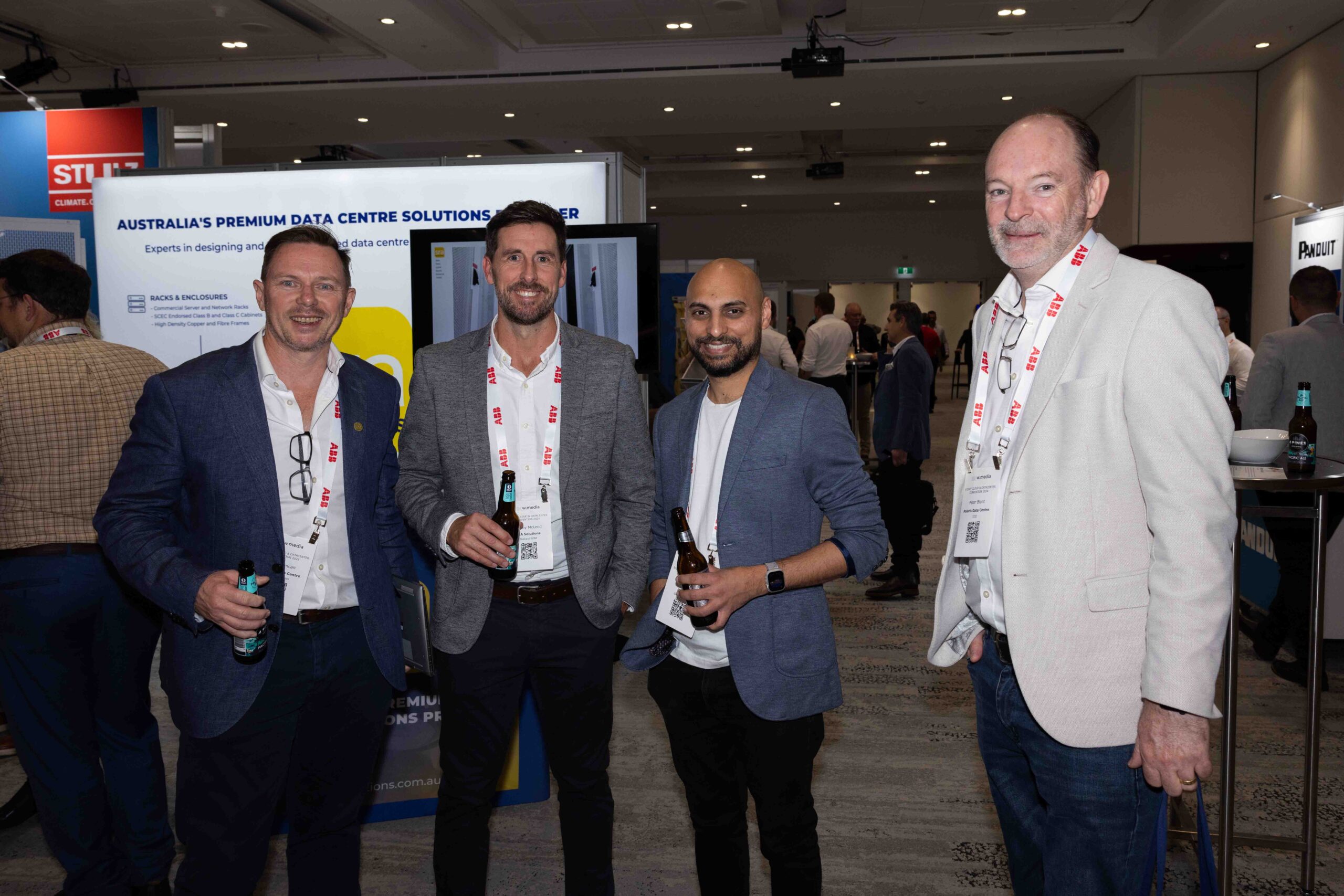
The Australia data centre market size was valued at USD 4.5 Billion in 2024 and it is expected to reach USD 7.8 Billion by 2033, exhibiting a CAGR of 5.7% from 2025-2033. The Australia data centre market share is expanding, driven by rising cloud and AI adoption, increasing digital transformation and strong demand for edge computing. Expanding investments from global players, renewable energy integration, and government initiatives for data localization are shaping the industry.
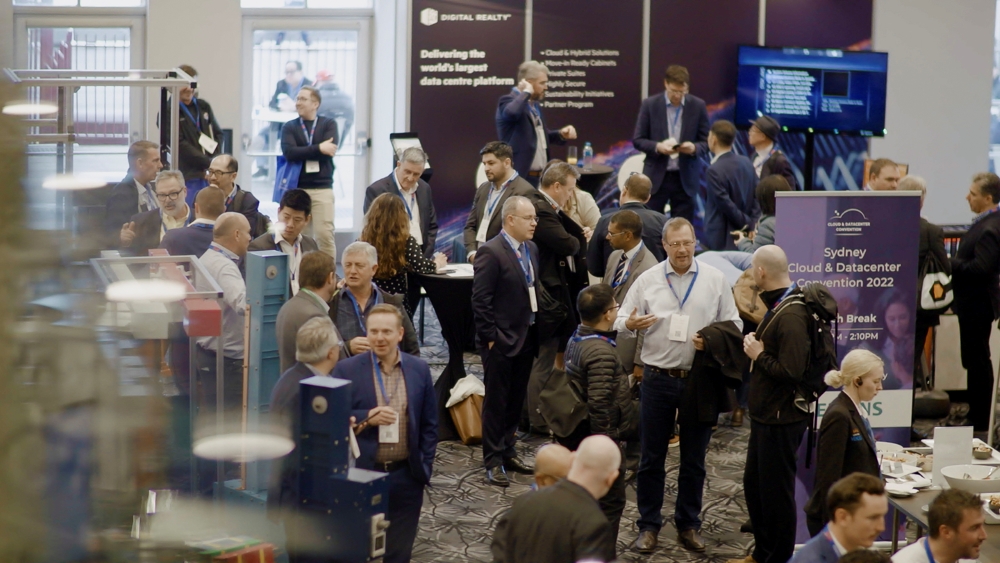
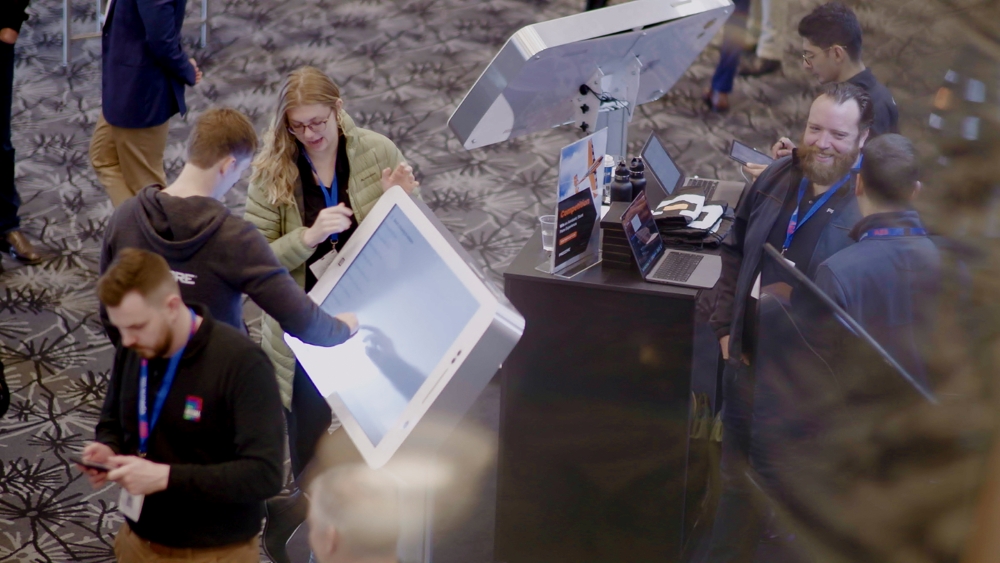
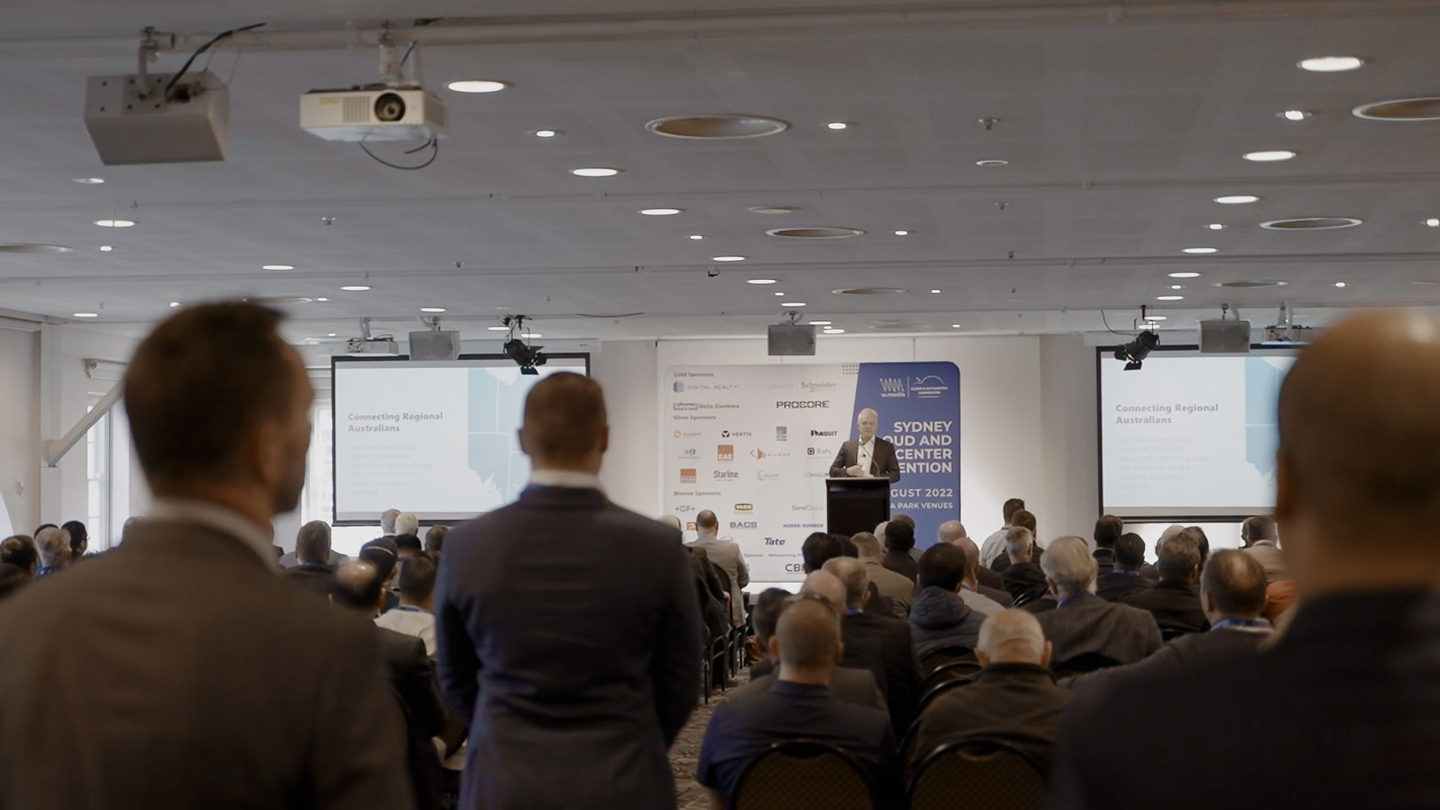
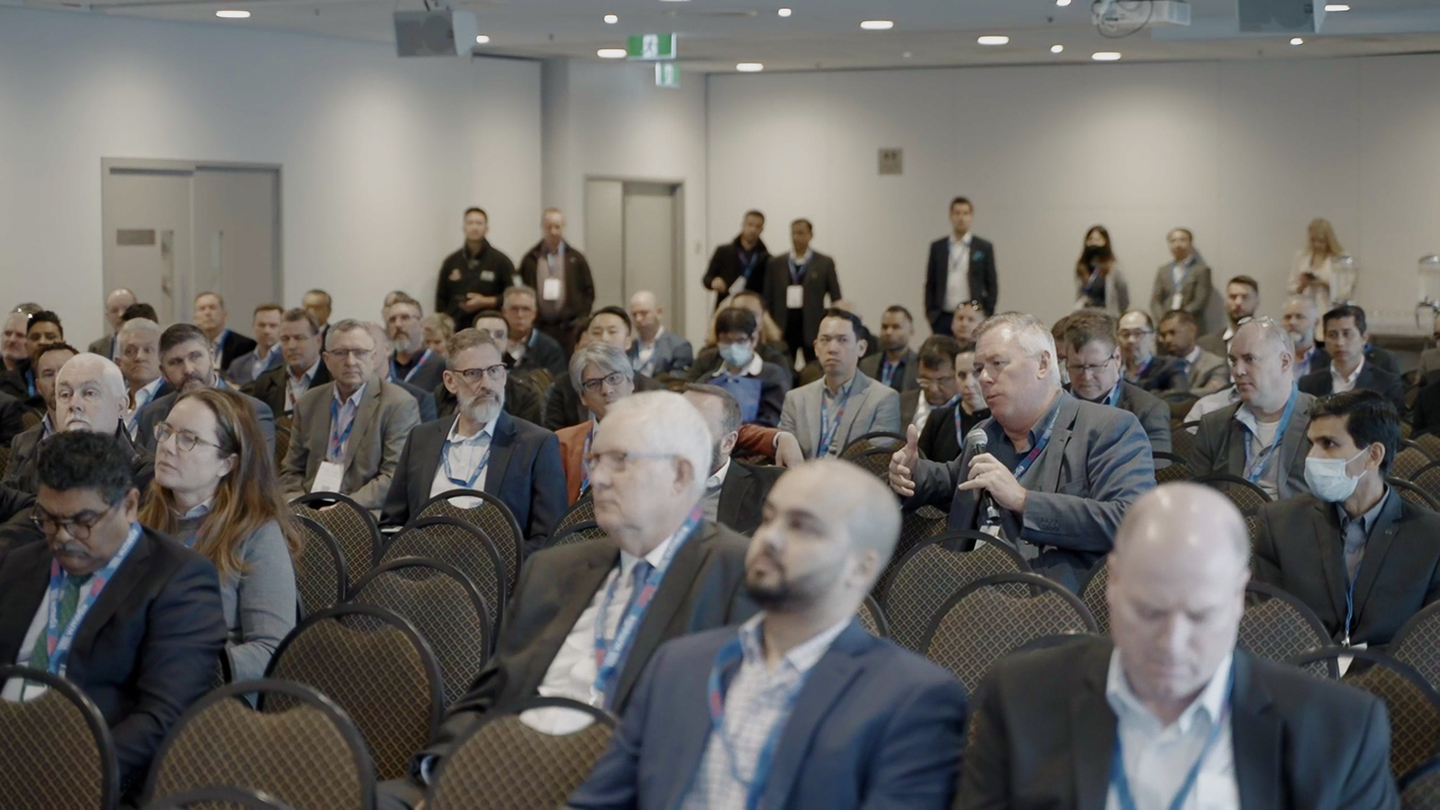
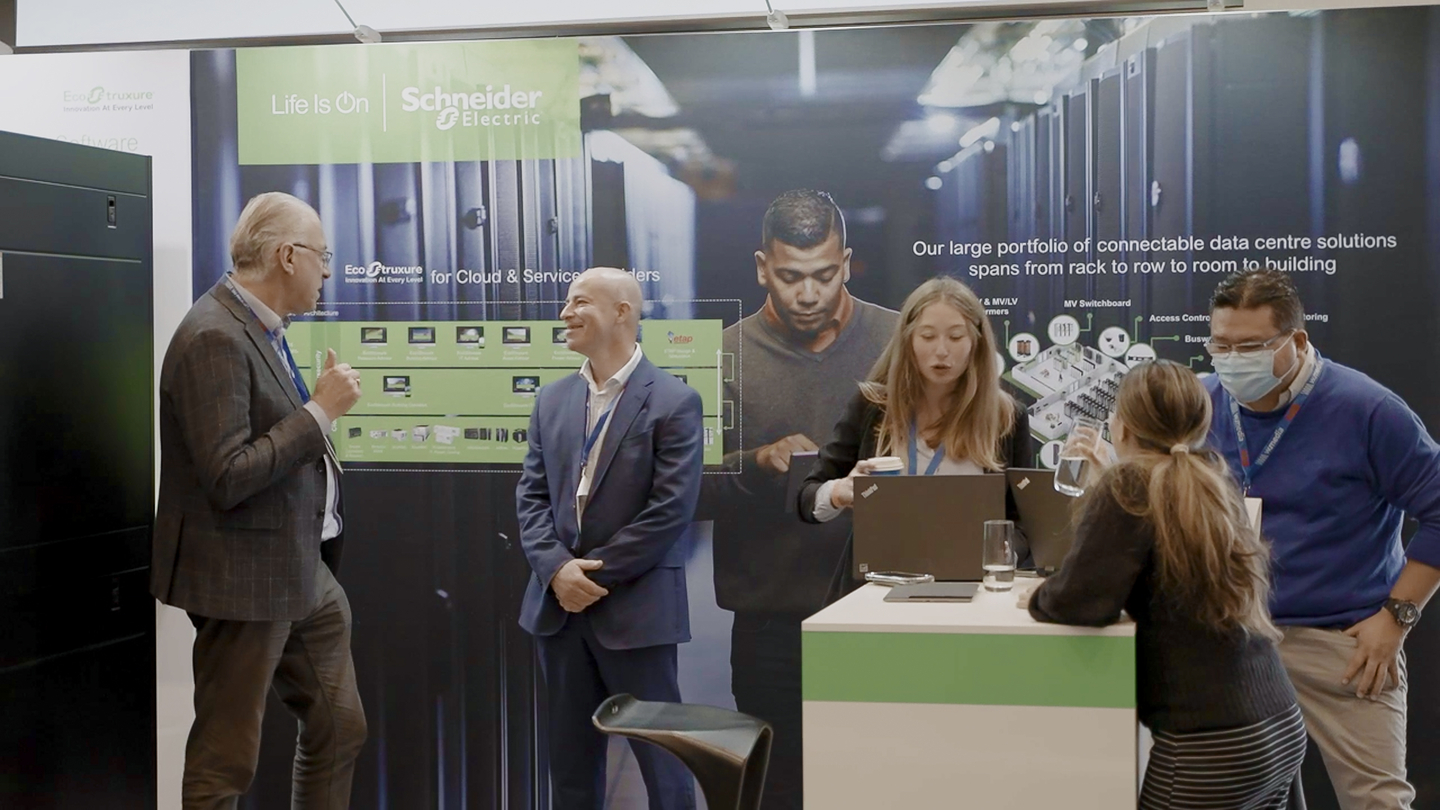
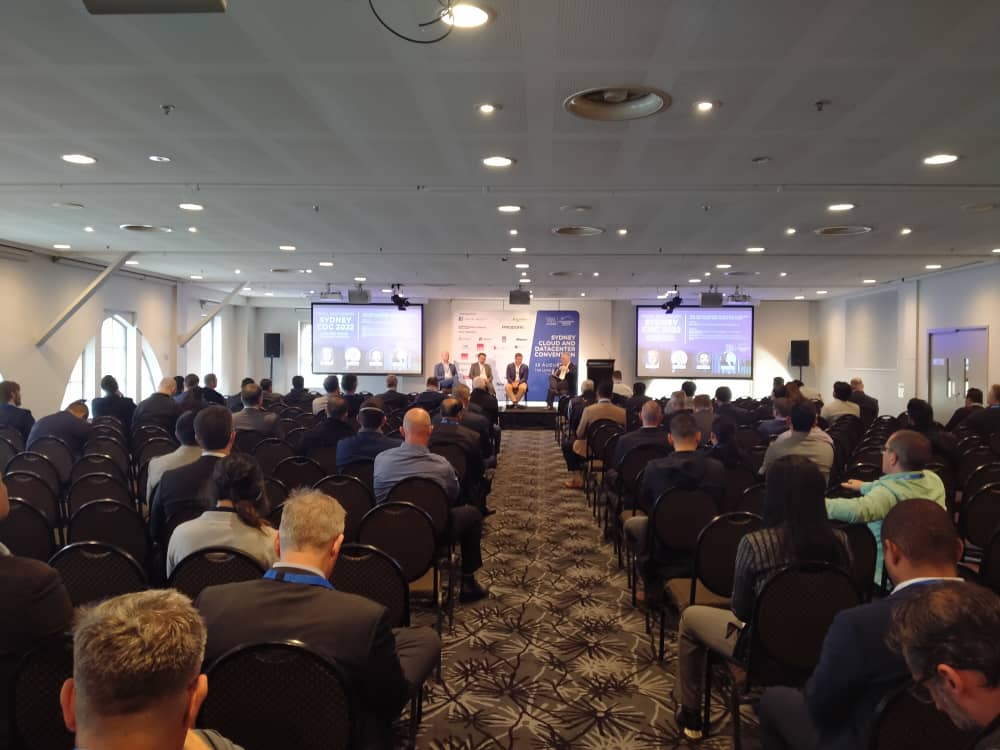
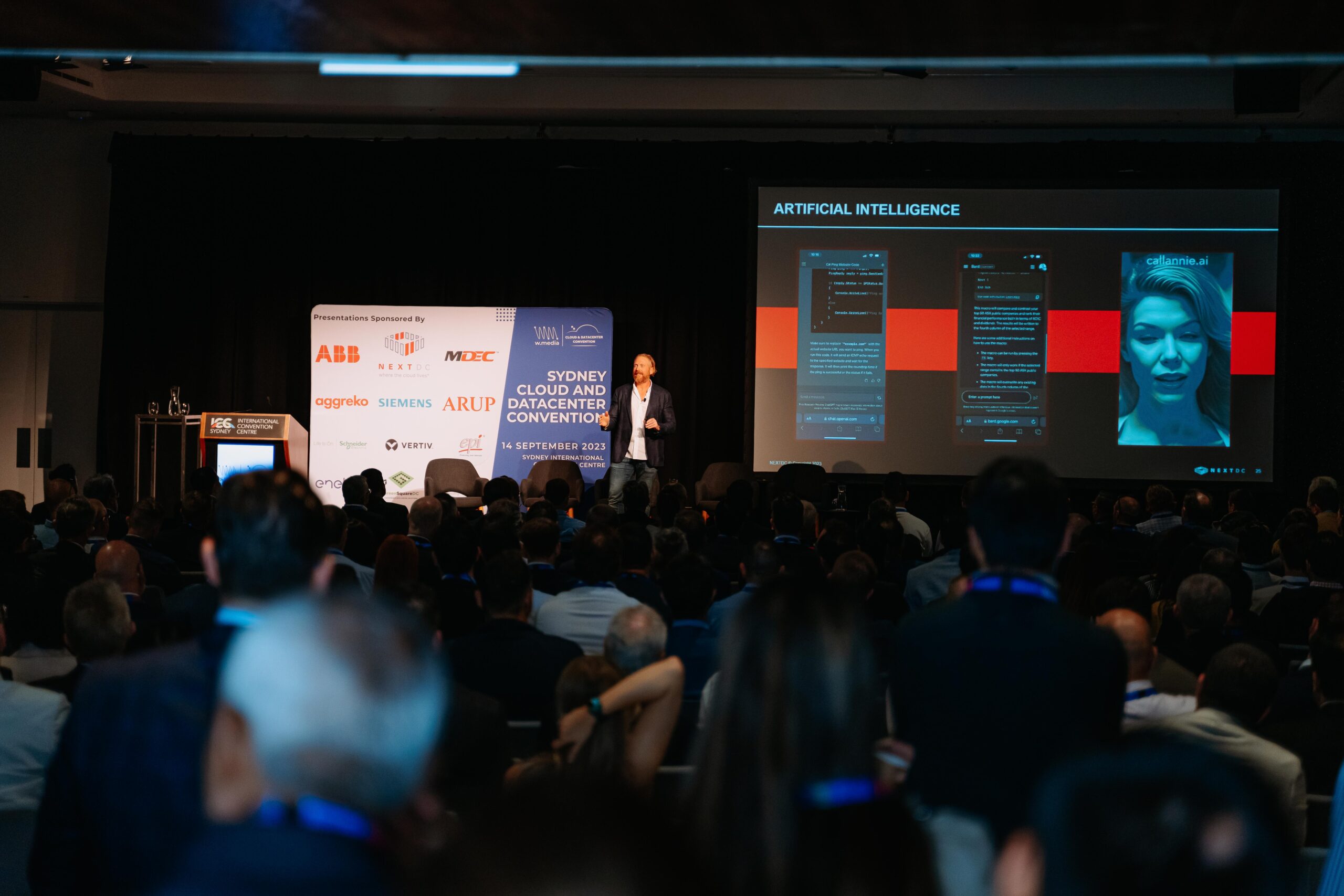

On 23rd April 2026, The Melbourne Cloud & Datacentre Convention will bring the entire ecosystem together under one roof - uniting cloud providers, data centre operators, enterprise IT, AI innovators, sustainability leaders, policymakers and infrastructure experts. Running in parallel, a dedicated full-day AI & Cloud track will dive deep into real-world adoption strategies, cost optimization, compliance and scaling AI from pilot to production.
Delegates will gain exclusive insights into global and regional trends shaping cloud, data centres and AI- while also addressing Melbourne's unique opportunities and challenges. Expect interesting keynotes, panel debates, fireside chats and case studies covering topics such as AI, cloud computing, sustainability, cybersecurity and data centre construction, operations and management.
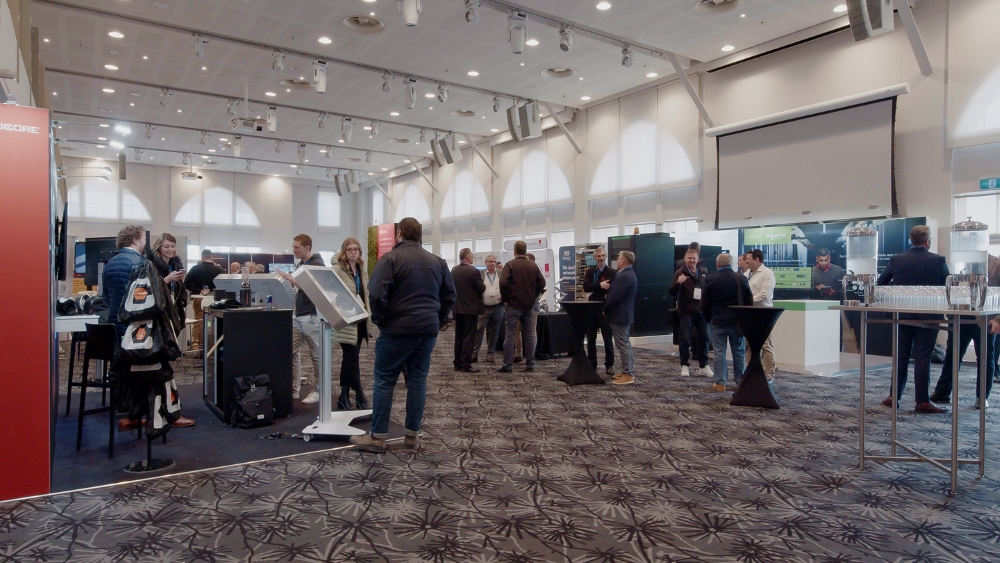
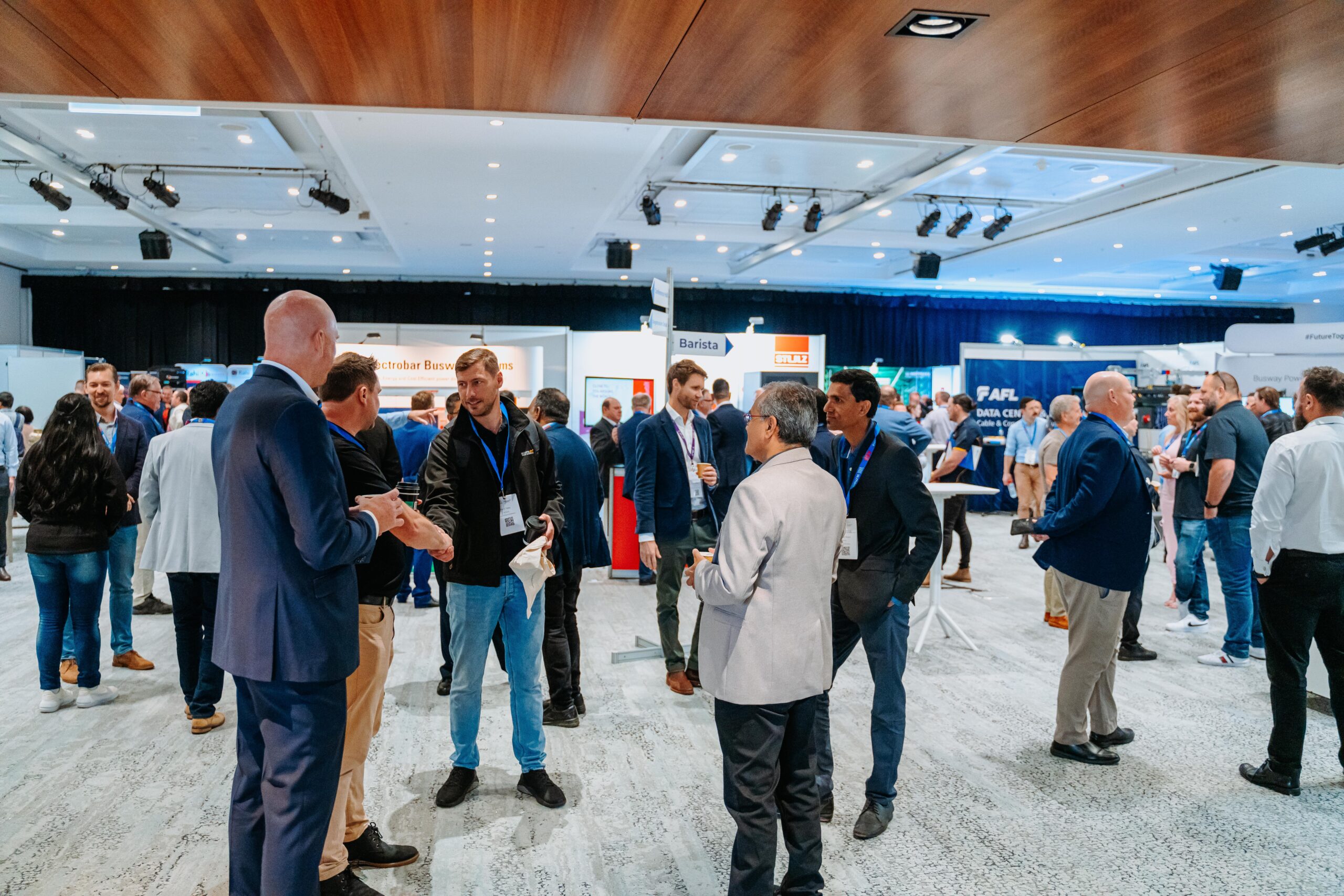
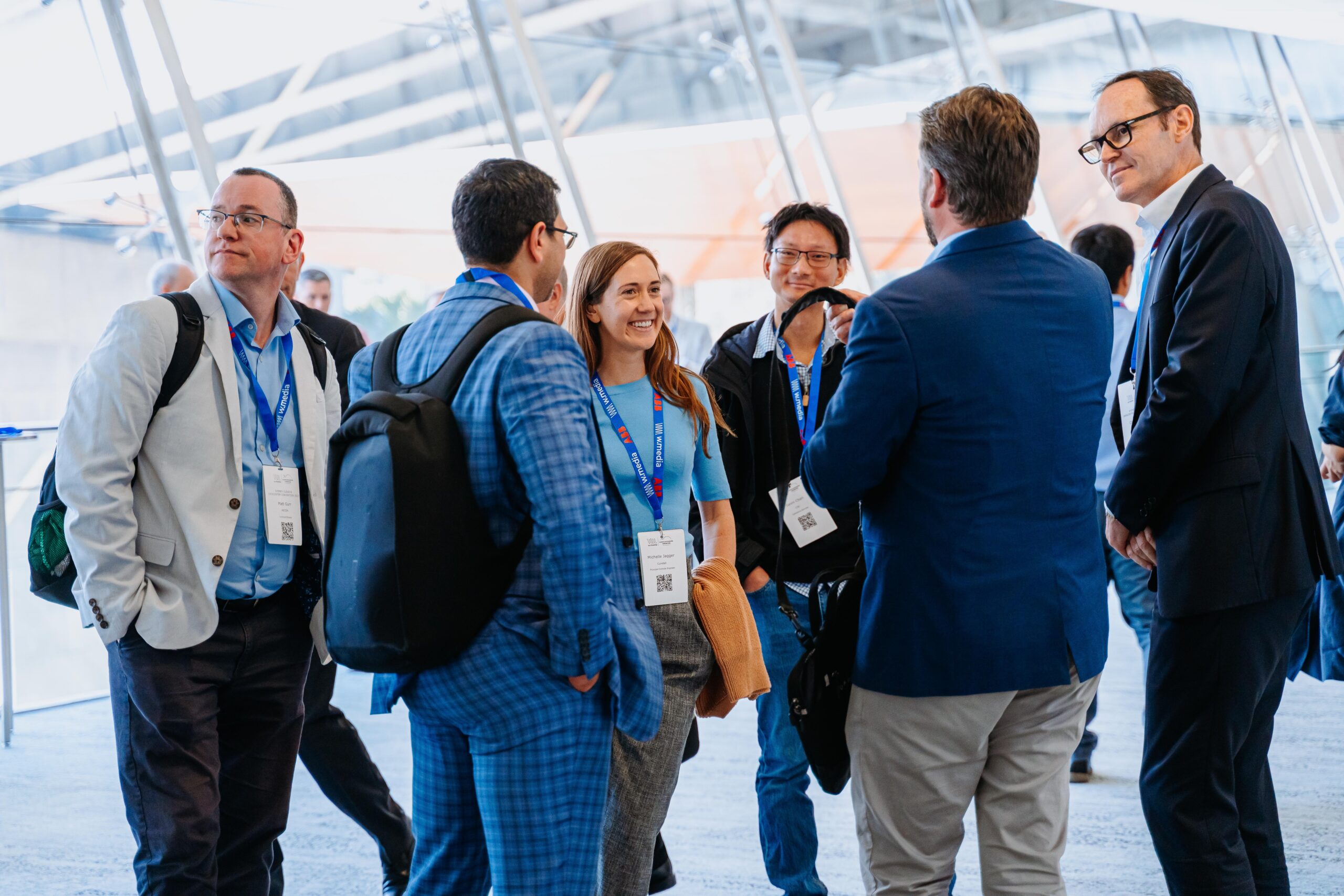
Melbourne Cloud & Datacentre Convention 2026 is not just a conference - it's a live marketplace of ideas, partnership-building and future-shaping for digital infrastructure in Australia.
Event Agenda
Plenary Sessions
Cloud & AI Stage
8:00 AM
-
8:50 AM
Main Hall
Registration
8:50 AM
-
9:00 AM
Main Hall
Welcome Address & Introduction to the Convention
Hall Chaired by:
Lizzi Long
Director, Data Centre Consultancy Australia
Paul Stathis
CEO, Digital Infrastructure Advocacy Australia (DIAA)
9:00 AM
-
9:20 AM
Main Hall
OPENING KEYNOTE: AI and the Infrastructure Opportunity for Australia: What is at Stake?
Speaker
Belinda Dennett
CEO, Data Centres Australia
9:20 AM
-
9:50 AM
Main Hall
INTERNATIONAL KEYNOTE: Data Centres of the Future: AI Growth, Sustainability Mandates & The New Energy Reality
Speaker
Scott Charter
Director AI Strategy, Oracle North America
9:50 AM
-
10:10 AM
Main Hall
KEYNOTE: AI Disruption – A Global Perspective
Speaker
Ciaran Flanagan
Vice President & Global Head Data Centre Solutions & Services, Siemens
10:10 AM
-
10:30 AM
Main Hall
KEYNOTE: Startup, Commissioning & Operational Considerations In Secondary Fluid Networks
Speaker
Mark Roberts
Data Centre Market Development Director - Asia Pacific, Castrol
10:30 AM
-
11:00 AM
Main Hall
MORNING BREAK
11:00 AM
-
11:40 AM
Main Hall
PANEL: Constructing the Next-Gen Data Center: Designing for Sustainability, Scalability & Speed
Panellists will discuss lessons learned from both greenfield and brownfield projects, share insights into balancing performance , environmental impact, and time-to-market, and examine how Australian facilities are adopting global design standards to local conditions. Attendees will leave with actionable guidance on how to construct data centers that meets the needs of today while remaining adaptable, efficient and sustainable for the future. Key discussion points, include but not limited to:
Sustainable design strategies and net-zero considerations
Modular and scalable architectures for rapid deployment
High density and AI-ready infrastructure planning
Speaker
Alex Moffatt
Senior Director-Acquisitions APAC, BDX Data Centers
Speaker
Nauman Akhtar
Co-Founder & Co-CEO, INSITE DC
Speaker
Milan Vujasinovic
National Leader-Data Centres, GHD
Speaker
Nick Stavroulakis
Associate Principal- Product Management, AirTrunk
Moderator
Paul Stathis
CEO, Digital Infrastructure Advocacy Australia ( DIAA)
11:40 AM
-
12:00 PM
Main Hall
KEYNOTE: Direct Liquid Cooling: Data Centre Build Experience and Key Learnings
Speaker
Gaven Gu
Sales Manager, Beehe
12:00 PM
-
12:20 PM
Main Hall
KEYNOTE: Scaling Faster, Reducing Complexity and Blast Radius
Speaker
Shehab Haque
Senior Colocation Regional Engineer, Amazon Web Services
12:20 PM
-
12:40 PM
Main Hall
KEYNOTE: The 1 MW rack and going beyond the sidecar – Optimizing the future of 800VDC for power distribution
As data centres and high-performance computing environments scale to unprecedented levels, traditional power distribution architectures face critical limitations. This session explores the next frontier in energy delivery: the 1 MW rack and the evolution beyond sidecar designs through advanced 800VDC strategies. We will examine how 800VDC optimizes efficiency, reduces losses, and supports the growing demands of AI workloads and hyperscale infrastructure. Attendees will gain insights into design considerations, safety standards, and integration approaches that enable sustainable, high-density power distribution for future-ready facilities. Join us to understand why 800VDC is not just an alternative—it’s the foundation for powering the next generation of compute.
Speaker
Mark Deguara
General Manager Data Centres, Secure Power Division, Schneider Electric
12:40 PM
-
1:20 PM
Main Hall
PANEL: AI, Data Centres & The Water Crisis: Can Australia power the AI revolution sustainably without compromising its most precious resource?
This session explores the complex relationship between AI workloads, data centre cooling strategies and water consumption, with a specific focus on the Australian context, where water scarcity, climate variability and sustainability targets are already placing pressure on infrastructure design. Attendees will gain insight into how HVAC system selection, cooling architectures and operational strategies can significantly influence both water usage and overall environmental impact. The discussion will examine current and emerging approaches — including air-cooled versus water-cooled systems, hybrid and liquid cooling solutions, heat recovery, free cooling, and advanced controls — and how these technologies can support resilient, low-water data centre designs without compromising performance or uptime.
How should Australia prepare for this exponential growth?
Exploring latest breakthroughs in water-efficient and water-free cooling technologies
Policy, transparency and the path to socially responsible AI infrastructure
Speaker
Jim Rose
Data Centre & Commercial Buildings Lead, Danfoss
Speaker
Jo Lim
CEO, VicWater
Speaker
Nishi Vissamraju
Head of Sustainability, NEXTDC
Moderator
Tom McMahon
Partner, Mandala
Speaker
Rob Hammond
Director & Data Centre Lead, TBH
1:20 PM
-
2:30 PM
Main Hall
LUNCH
2:00 PM – 2:15 PM Data centres: where we’ve been and have we arrived yet? Insights from Legrand’s Brendan Dessent
W.Media ANZ Special Podcast recorded on the Cloud & AI Stage, come and be one of the first listeners live!
Brendan Dessent
Head of Legrand Data Centre Solutions
2:30 PM
-
2:55 PM
Main Hall
PRINCIPAL KEYNOTE: AI-Ready Infrastructure: Building High-Density Data Centers for the Next Compute Boom
As artificial intelligence accelerates global digital transformation, data centers are entering a new era of unprecedented compute intensity. Traditional infrastructure models are no longer sufficient to support GPU-heavy workloads, extreme rack densities, advanced cooling demands, and escalating power requirements. This keynote explores what it truly means to be AI-ready — from high-density rack design and liquid cooling adoption to grid resilience, energy efficiency, and sustainable scaling strategies. Attendees will gain insights into the engineering, operational, and strategic shifts required to build next-generation facilities capable of supporting AI, machine learning, and accelerated computing at scale.
Speaker
Gavin Dudley
VP of Sales, Macquarie Data Centres
2:55 PM
-
3:15 PM
Main Hall
KEYNOTE: From Australia's Grid Crisis to Compute Opportunity: Rethinking Where We Build Data Centres
As Australia’s energy system comes under increasing strain, a new constraint is emerging across the data centre industry: not capital or design, but access to power. At the same time, renewable energy is being generated but unable to reach demand due to grid limitations. This keynote explores what happens when compute moves to energy, rather than waiting for energy to come to it.
Andrew Sjoquist brings over a decade of experience in Australia’s renewable energy sector, having connected and secured more than 6 gigawatts across the National Electricity Market. He outlines the shift toward data centres as flexible, energy-aligned infrastructure – and what this means for where and how we build.
For Australia, this is a strategic opportunity to lead – turning grid constraints into a competitive advantage and positioning the country for the next generation of global compute.
Speaker
Andrew Sjoquist
Founder & CEO, WinDC
3:15 PM
-
3:55 PM
Main Hall
PANEL: From Site Selection to Delivery: Building More Successful Data Centre Projects in Australia
This panel brings together operators, engineers, integrators and end-users for a candid discussion on where projects commonly face obstacles, and more importantly, how these challenges can be addressed through better planning, collaboration, risk management and sustainability-focused decision making. Moving beyond headline outages, the conversation will examine the silent failure points that develop long before an incident occurs: poor design assumptions, misaligned stakeholders, skills shortages, deferred maintenance, unrealisitic uptime expectations and the growing strain of AI and high-density workloads. Panellists will share hard-learned lessons from projects and operations that did not go to plan – exploring what could have been done differently and how organizations can build failure-resilient infrastructure from the outset. As a closing session, this panel challenges the audience to rethink how success is measured in data center projects – not by speed or scale alone, but by long-term reliability, safety and trust.
Speaker
Donny Gunadi
Senior Insight Analyst, datacenterHawk
Speaker
Philip Motteram
Client Director – Digital Infrastructure, Aurecon
Speaker
Charles Muscat
Vice President Engineering - Testing & Commissioning APAC, Stack Infrastructure
FIRE-SIDE CHAT: Resilience in an Uncertain World: Reliability, Climate Risk & Operational Readiness
Intimate and reflective in format, this fire-side chat session offers an honest look at what it takes to remain operational when assumptions fail – and why resilience is becoming the most valuable currency in Australia’s digital infrastructure future. The discussion will address practical questions facing Melbourne and Australian operators today:
How climate risk is influencing design standards and insurance models
How operational readiness is tested beyond theoretical scenarios
How organizations can balance cost, sustainability and resilience without creating hidden vulnerabilities
Moderator
Peter Greaves
APAC Client Director, Aurecon
Speaker
James Braunegg
CEO, Micron 21
4:15 PM
-
4:25 PM
Main Hall
AFTERNOON BREAK
4:25 PM
-
5:05 PM
Main Hall
PANEL: Grid 2030: Decarbonizing Data Centers and Practical Steps to Achieve Net-Zero Operations by 2030
Panellists will explore the unique challenges facing Melbourne and Victoria, such as grid congestion, connection delays, the rapid shift to renewables and the impact of extreme weather events. The conversation will also address the growing tension between AI-driven power density and sustainability goals, and how closer collaboration between data centers, utilities, regulators and technology providers is becoming essential. Key themes covered:
Net zero vs grid reliability: managing the trade-offs
Renewable PPAs, behind-the-meter solutions and energy storage
Grid-interactive data centers and load flexibility
AI growth and rising power density impacts
Speaker
John Vollugi
Director-Mission Critical, ADP Consulting
Speaker
Mitch O'Neill
Principal, Grids
Moderator
Andrew Green
Director, AG Squared Consulting
Speaker
Dr. Nick van Bronswijk
Chief Innovation Officer, Meinhardt Australia & New Zealand
Speaker
Adrian Odorisio
Founder, Barossa Green
Speaker
Andrew Sjoquist
Founder & CEO, WinDC
5:05 PM
-
5:30 PM
Main Hall
CLOSING DIALOGUE: AI, Cloud & Data Centres: Convergence or Collision?
A bold, future-facing conversation to close the day and challenge assumptions about where the industry is heading next. Are hyperscalers and colocation providers naturally converging into a unified AI infrastructure model – or are we heading toward strategic friction over sovereignty, sustainability and scale? Can cloud architectures truly support AI at industrial levels or will infrastructure paradigms emerge?
Speaker
Scott Charter
Director AI Strategy, Oracle North America
Speaker
Sumit Mukhija
Group CEO, DCI Datacenters
Moderator
Adam Gibson
Advisor - Content, Speakers & Marketing, W.Media
5:30 PM
-
Main Hall
Networking Drinks
8:00 AM
-
8:50 AM
Main Hall
Registration
8:50 AM
-
10:30 AM
Main Hall
( Sessions on-going in the Plenary/Main Hall)
10:30 AM
-
11:00 AM
Main Hall
MORNING BREAK
11:00 AM
-
11:40 AM
Main Hall
CIO/CTO/CDO PANEL: Managing the 3Ps: How CIOs, CTOs & CDOs are Redefining Strategy in the Age of AI & Cloud
This high-level panel will discuss how technology leaders are managing the 3P’s – People, Processes and Products to build intelligent, adaptable and future-ready organizations. From workforce enablement to operational excellence and product innovation, the 3Ps have become the strategic pillars guiding enterprise transformation. Our expert panel will dive into issues revolving:
People: Workforce planning, talent shortages, change management and new leadership skills required in AI and cloud-first organizations.
Processes: Modernizing and simplifying processes through automation, machine learning, cloud-native design, DevOps and intelligent workflows for increased productivity and operational efficiency.
Products: Using AI to differentiate, experiment faster and scale new digital products with reliability and regulatory confidence.
Speaker
Krishna Soni
GM Technology, Village Roadshow
Speaker
Dan Goldberg
CISO, Cybza
Moderator
Chris Clarkson
Principal Consultant, double c consultants
11:40 AM
-
12:00 PM
Main Hall
SPECIAL KEYNOTE: The Missing Piece in AI Transformation: Post-Decision Data
Organisations invest heavily in data to make better decisions, yet often do not measure whether those decisions worked. As cloud and AI capabilities accelerate and these tools inform more decisions, the real competitive advantage lies in what happens after the decision is made. This special keynote introduces post-decision data as the missing strategic layer that helps organisations learn faster, reduce waste, and adapt with confidence. Participants will reflect on how weak or absent feedback loops lead to repeated mistakes and missed value. They will be introduced to a simple, leader-ready framework for building rapid evaluation into everyday decision-making; turning decisions from one-off events into ongoing sources of insight and impact.
Speaker
Dr. Selena Fisk
Data Storyteller, Dr. Selena Fisk Pty Ltd
12:00 PM
-
12:20 PM
Main Hall
KEYNOTE: Upscaling Digital Infrastructure: Powering Enterprise AI & Cloud at Scale
Across Australia’s east coast, AI and cloud strategies are increasingly constrained not by platforms or compute, but by the connectivity decisions made underneath them. As organisations scale AI workloads across Sydney, Canberra, and Melbourne, application performance, resilience, and cost are now shaped by how traffic moves between regions, which network paths are actually in use, and how much real diversity exists between them. For CIOs and CTOs, this means AI readiness is no longer just a technology roadmap issue, but a core architecture and risk decision.
This keynote is aimed at senior technology leaders responsible for enterprise networks and cloud architecture. It breaks down why many “diverse” network designs fail under scale, how shared corridors and exchange concentration create hidden operational risk, and what questions CIOs and architects must ask to validate resilience and latency claims. Drawing on practical experience, the session provides a decision framework for specifying connectivity requirements, structuring multi-carrier sourcing, and aligning network architecture with AI and cloud growth, so scaling AI does not quietly introduce fragility into the organisation’s digital backbone.
Speaker
Matthew Schultz
Partner, Gravelroad Group
12:20 PM
-
12:40 PM
Main Hall
KEYNOTE: AI Ready Infrastructure Is Not Enough: The Missing Control Tower Between Pilot and Production
As enterprises invest heavily in cloud platforms and AI-ready infrastructure, many expect AI value to scale naturally. Yet across industries, AI initiatives continue to stall after promising pilots, despite strong technology foundations. This keynote explores why AI rarely fails because of models or infrastructure alone. Instead, failure occurs in the gap between pilot success and dependable production, where ownership fragments, operating models break down, and no single role is accountable once AI systems meet real organisational conditions. Drawing on enterprise delivery patterns, the session introduces the idea of a missing control tower for AI delivery, an operating discipline that connects architecture, product, risk, and operations to sustain reliability, trust, and value after launch.
Speaker
Vijayan Seenisamy
Enterprise Agentic AI Systems Delivery | Creator, AI ROF | Author, The AI Delivery Manager Blueprint
12:40 PM
-
1:20 PM
Main Hall
INDUSTRY DEEP-DIVE PANEL: AI & Cloud Transformation Across Industries: Lessons from Pilots to Enterprise Rollouts "
In this panel, panellists will highlight specific use cases that have demonstrated measurable ROI, improved resilience and unlocked new business models. Leaders will also discuss:
Failed pilots, lessons learned and the gaps that still prevent organizations from scaling AI and cloud successfully.
Emerging trends shaping the next wave of transformation: industry clouds, generative AI, sovereign cloud, augmented workforces, regulation-ready architectures and automation-first operating models.
Where enterprises should invest now in order to remain future-ready?
Speaker
Karen Dermody
Director Digital Design & Innovation, Department of Education
Speaker
Samantha Davies
Head of Core Platforms and Infrastructure Engineering, Bendigo Bank
Moderator
Matthew Schultz
Partner, Gravelroad Group
Speaker
Vinod Bijlani
AI Practice Leader-APAC, HPE Services
1:20 PM
-
2:30 PM
Main Hall
LUNCH
2:00 PM – 2:15 PM Data centres: where we’ve been and have we arrived yet? Insights from Legrand’s Brendan Dessent
W.Media ANZ Special Podcast recorded on the Cloud & AI Stage, come and be one of the first listeners live!
Brendan Dessent
Head of Legrand Data Centre Solutions
2:30 PM
-
2:50 PM
Main Hall
KEYNOTE: Regulatory Reforms on AI, Cloud and Privacy in Australia
Speaker
James Patto
Principal, Scildan Legal
2:50 PM
-
3:30 PM
Main Hall
CYBERSECURITY PANEL: Securing the Multi-Cloud & AI Era: Navigating Complexity, Compliance and AI-Driven Threats
As enterprises adopt multi-cloud strategies to drive innovation, securing these environments have become increasingly complex. Panelists will dive into:
Managing complexity: Maintaining visibility, control and security across multiple cloud providers without slowing down innovation.
Compliance and regulation: Ensuring data privacy, industry-specific compliance and governance in hybrid and multi-cloud environments.
The human factor: Creating security awareness, integrating security into development workflows, and balancing automation with human oversight
Future-proofing security: Preparing for emerging risks in AI, serverless, containerization and cloud-native applications.
Speaker
Vinod Bijlani
AI Practice Leader-APAC, HPE Services
Speaker
John Burgess
Manager, Cyber Security & Digital Technologies, Victoria University
Speaker
Dom Pietrzy
Cloud & Infrastructure Architecture Lead, Victorian Government Department
Speaker
Mehul Majethia
Principal Solution Architect- Digital Services & Security Department, Victoria Police
Moderator
Keith Robinson
Partner, Johnson Winter Slattery
3:30 PM
-
3:50 PM
Main Hall
KEYNOTE: AI vs AI: Defending the Enterprise in the Age of Autonomous Threats
As AI-driven threats are becoming fully autonomous, adaptive and relentless, enterprises must respond with equally intelligent defense – leveraging self-learning security systems, real-time behavioural analytics and generative AI to predict and neutralize attacks before they strike. Participants will discover the new battlefield where machine faces machine, and how to architect a cybersecurity strategy that secures the future without slowing innovation.
Speaker
Louiza Nutt
Group GM: Network, Cyber Security and Infrastructure, JB Hi-Fi
3:50 PM
-
4:25 PM
Main Hall
AFTERNOON BREAK
4:25 PM
-
5:30 PM
Main Hall
(Sessions on-going in Plenary/Main Hall)
5:30 PM
-
Main Hall
Networking Drinks
Sponsor 2026
Platinum Sponsor
Gold Sponsor
Silver Sponsor
Bronze Sponsor
Pre-Event Networking Drinks Sponsor
Post-Events Networking Drinks Sponsor
Barista Sponsor
Industry Partner
Registration Sponsor
FAQ
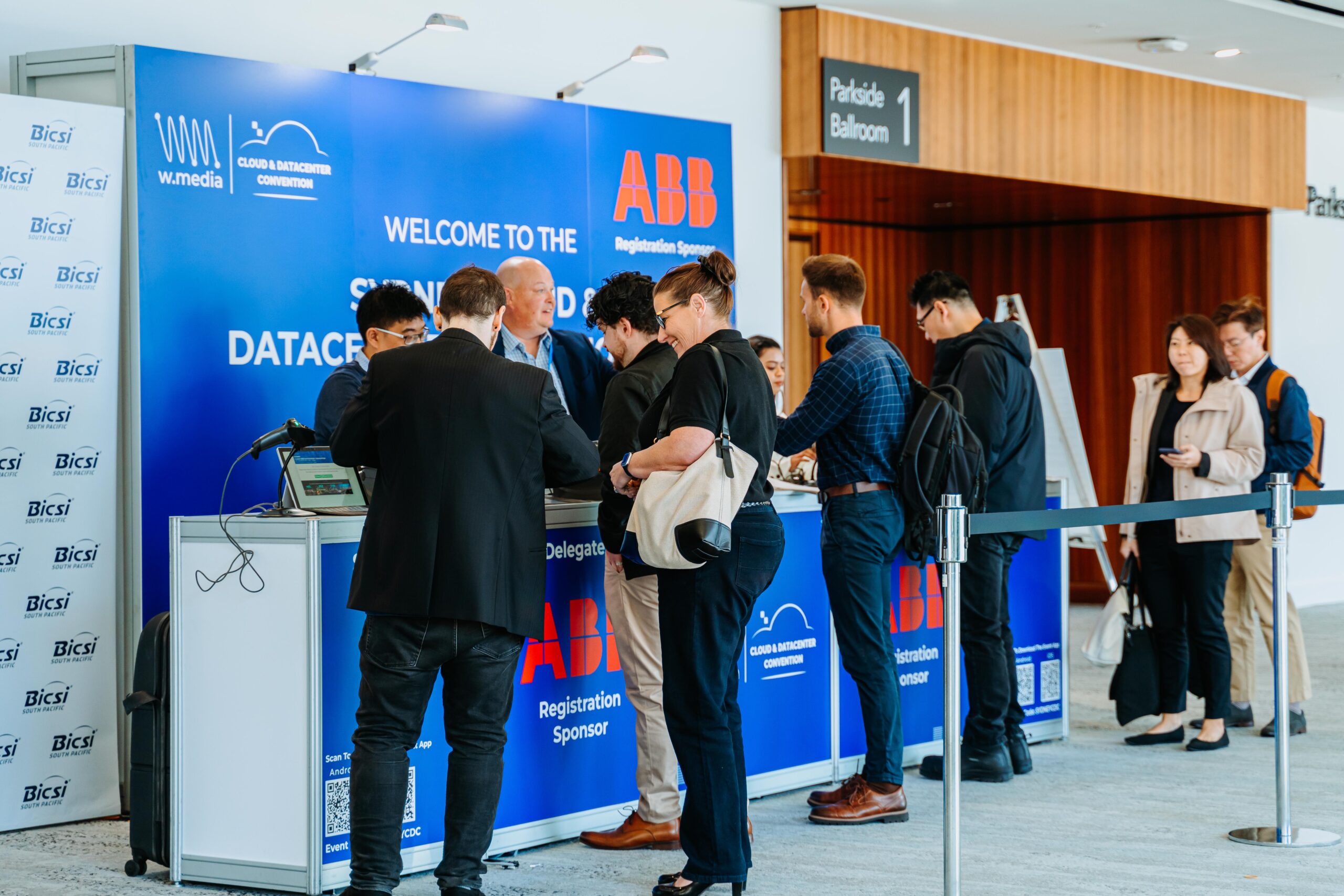
Please bring the registration confirmation email with QR code sent to your email to the registration area in order to get a badge printed to enter the event.
Upon successful completion of registration through the W.Media website, your QR code will be sent to your email address.
Cloud and Datacenter professionals and media partners are welcome to attend. All attendees must register on the W.Media event page.